Tag Archive for: Booking

Taiwan MICE builds momentum with Tainan’s heritage and Kaohsiung’s innovation

The post Taiwan MICE builds momentum with Tainan’s heritage and Kaohsiung’s innovation appeared first on TD (Travel Daily Media) Travel Daily Media.
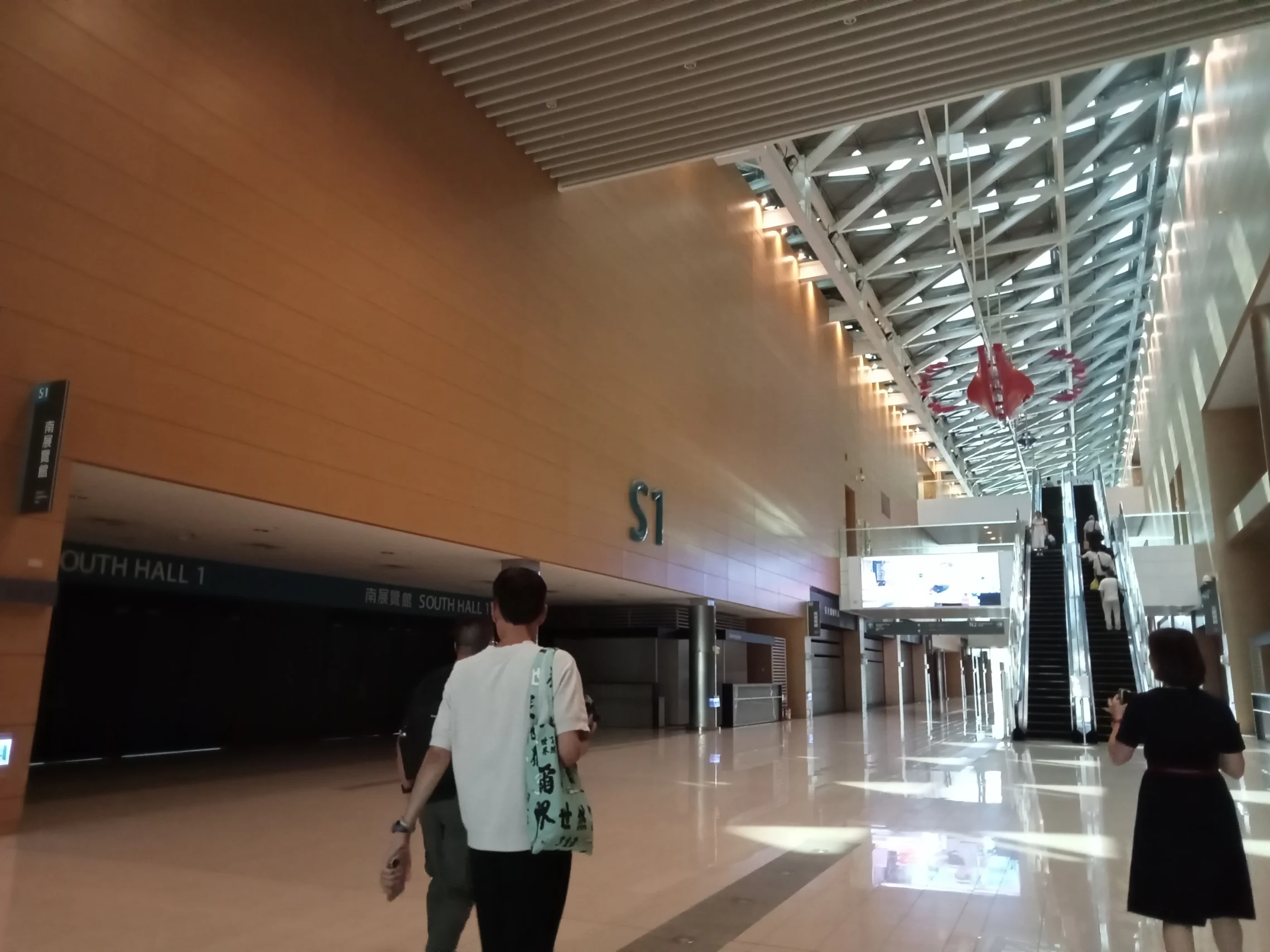
Following the recent conclusion of the Asian MICE Forum in Taiwan, we at Travel Daily Media had the opportunity to see for ourselves some of the country’s major MICE venues.

Interestingly, these were not all centred in the capital city of Taipei, but were located in the major southern Taiwanese cities of Tainan and Kaohsiung.

The beauty of these venues is that they serve as more than just places in which to stage events: these are also areas where participants can get a greater understanding of Taiwan’s unique culture and heritage.

Tainan: A sustainable venue in one of the country’s oldest cities

Taipei may be the capital of Taiwan, but the city of Tainan which is just a little over an hour away by high-speed rail is actually one of the oldest human settlements in the country.

Tainan’s history is essentially that of Taiwan in a nutshell: occupied by the Dutch in 1624, then again by the Japanese towards the end of the 19th century, it has a truly unique cultural identity that is reflected in the aesthetic of its largest MICE venue.

Indeed, those who come for an event at the International Convention and Exhibition Centre (ICC) Tainan will be awestruck by the mix of Dutch influences as seen in the meeting room names Zeelandia and Orange, Japanese nuances as seen in the artwork lining the walls, and local Taiwanese flavour that calls to mind Tainan’s heritage district of Anping.

While it’s a fairly young venue in that it only opened in 2022, the ICC Tainan has already hosted 576 meetings, 66 events, and 46 exhibitions, welcoming over 2.6 million visitors in the past three years.

The venue also prides itself on the use of various technological innovations to make events more engaging and impactful.
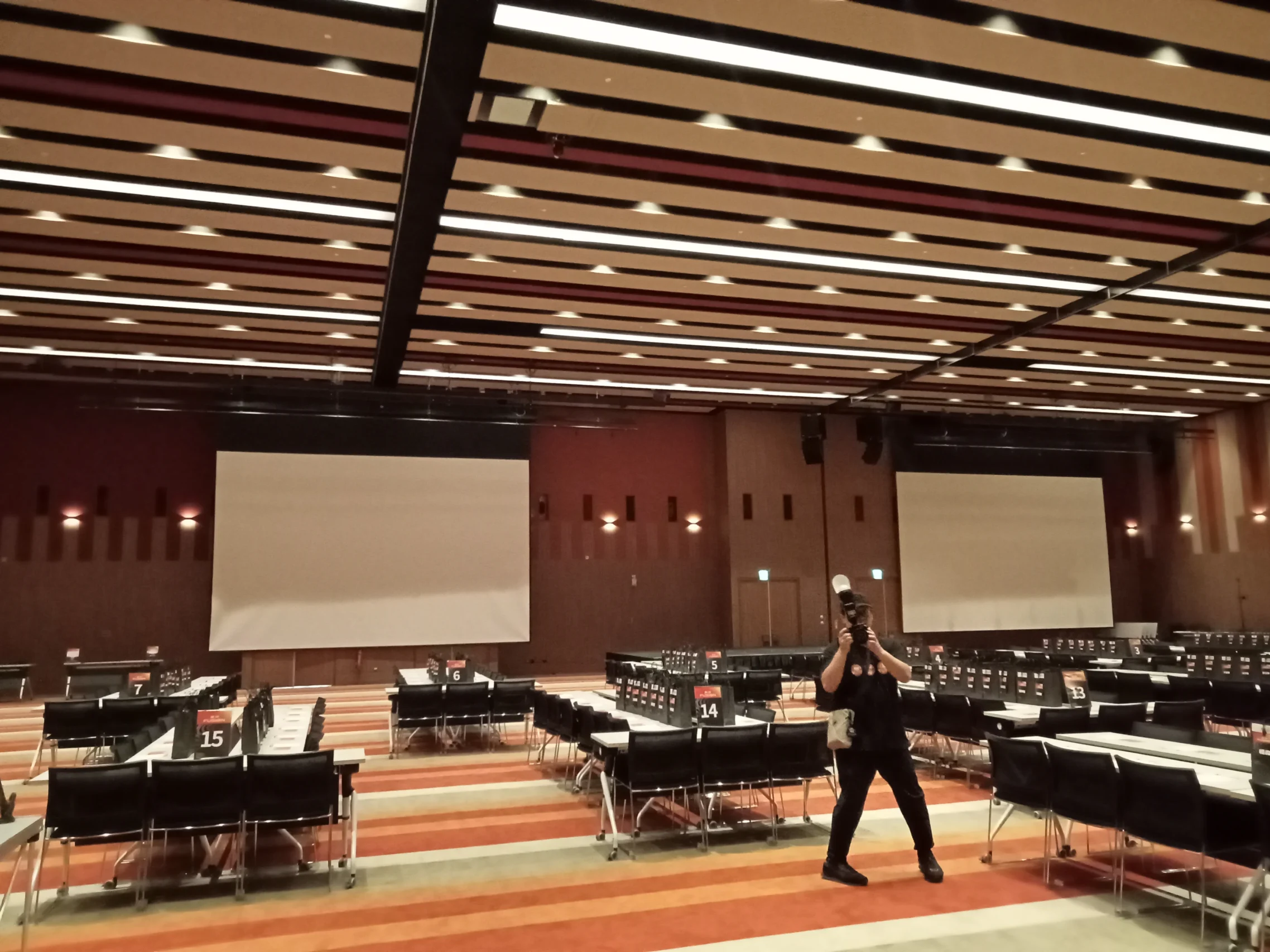
Where sustainability is at work

This dynamic venue is also a bastion of innovation and sustainability not just for the Taiwanese MICE sector, but also for MICE on the regional level.

The Centre is equipped with measures for carbon emissions monitoring within the premises, along with solar panels that help power the venue without becoming too reliant on the local grid.

Even the venue’s design was developed with sustainability in mind: its roof is supported by high-performance steel cable trusses, which effectively reduces steel consumption and construction materials by up to 20 percent.

 This amounts to reducing the carbon emissions equivalent to those absorbed by 35,000 trees per year.

Likewise, ICC Tainan has planted 34,375 plants in the surrounding hinterlands, 77 percent of which are Taiwan’s native species. 

As a result, its total carbon sequestration is equal to 7,060 metric tonnes, creating an ideal environment for the local fauna and flora to flourish within the surrounding area.

Indeed, ICC Tainan’s mission statement says it all: “We want to be a catalyst for growth and change by bringing people and businesses together, celebrating the fusion of heritage and progress.”
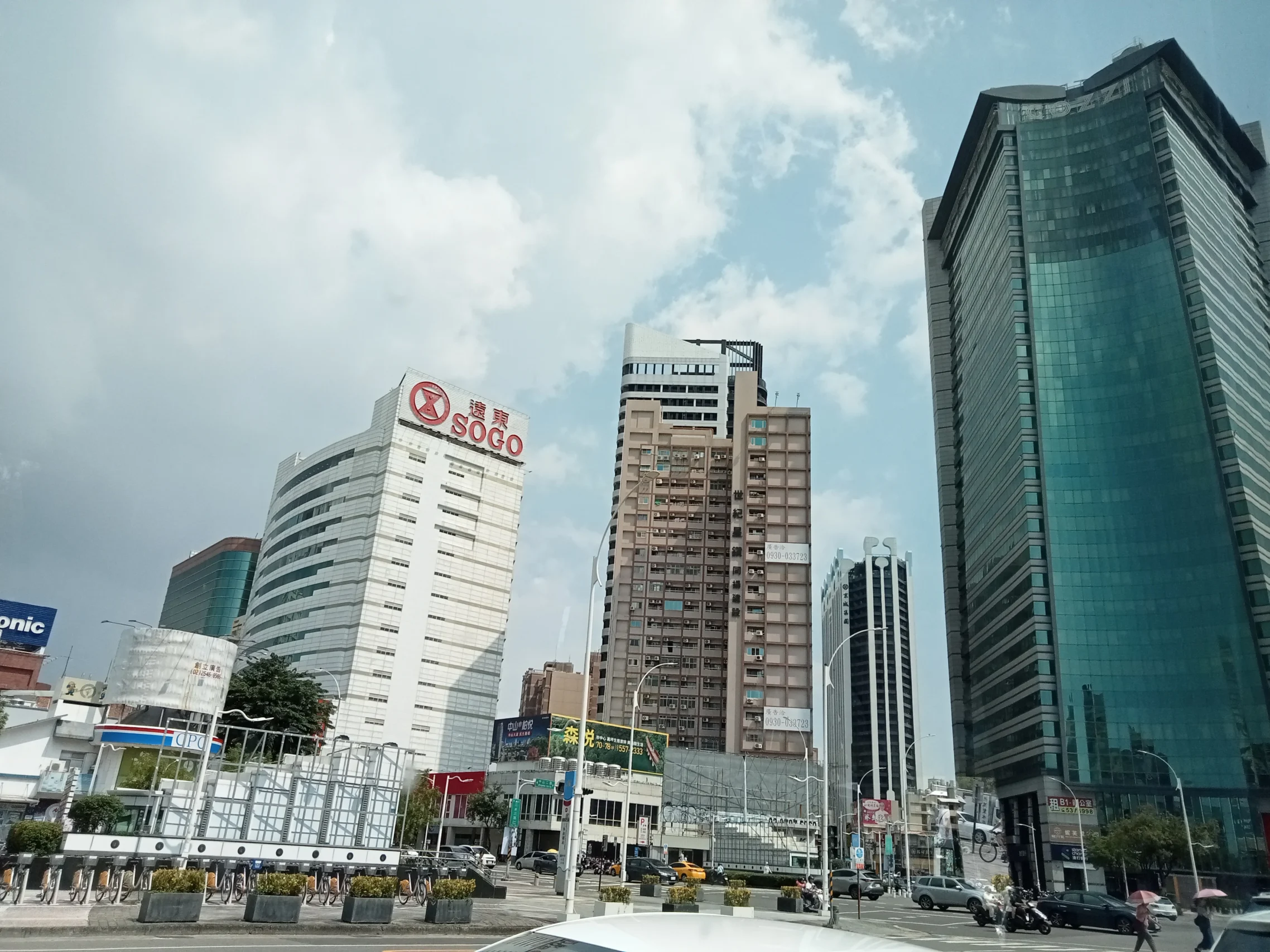
Kaohsiung: Two distinctive venues

The southern port city of Kaohsiung is one of the most dynamic locations in Asia in terms of trade, tourism, and culture.

It is a heady mix of ancient traditions and contemporary design; old school and new school working together to create a dynamic city that draws everyone in from those in trade to those seeking a truly unique cultural experience.

In which case, Kaohsiung has two particular venues to suit a diverse range of requirements.

A touch of history at the Ciao Tou Sugar Industry Culture Park

Built in 1901 and completed in 1902 when Taiwan was a part of Japan, the Ciao Tou Sugar Factory was the first sugar processing plant in the country to use modern machinery in production.

Since its production days came to an end, however, it is now home to 19 heritage sites, including key structures which are now being used as venues for everything from corporate retreats to family milestones like reunions and weddings.

Likewise, its open-air spaces serve as venues for weekend markets that offer homespun specialities made with local produce, and even workshops on traditional arts and crafts.

The old Sugar Factory also hosts cultural performances by local and foreign artists who keep the area’s creative spirit alive with their work.

The Kaohsiung Exhibition Centre: Asia’s ultimate smart venue

In contrast to the charmingly archaic venues at Ciao Tou is Asia’s first-ever 5G-enabled smart venue: the Kaohsiung Exhibition Centre (KEC).

Located in the city’s Asia New Bay Area right on the shoreline, the KEC opened in 2014 as the Interplan Group’s first-ever multifunctional waterfront venue.

The Group’s objective for the KEC was for it to become the premier event venue in Taiwan and one of Asia’s leading sites for MICE.

Offering more than 25,000 square metres of indoor and outdoor exhibition space, this venue boasts of several conference rooms that can easily hold groups as small as 20 members to massive gatherings of up to 4,000 individuals.

Likewise, its massive exhibition halls have hosted numerous large-scale events, including the Asian Games, and even trade shows for automobiles and yachts.

Today, thanks to its focus on technological innovation in terms of facilities and services, the KEC is now a 5G high-tech multifunctional event site that can host a range of events and gatherings that is every bit as diverse as the city it calls home.

The post Taiwan MICE builds momentum with Tainan’s heritage and Kaohsiung’s innovation appeared first on Travel Daily Media.

Source: traveldailymedia
Beyond 20: Taiwan pioneers the future of global MICE even as it unveils the new MEET TAIWAN brand

The post Beyond 20: Taiwan pioneers the future of global MICE even as it unveils the new MEET TAIWAN brand appeared first on TD (Travel Daily Media) Travel Daily Media.

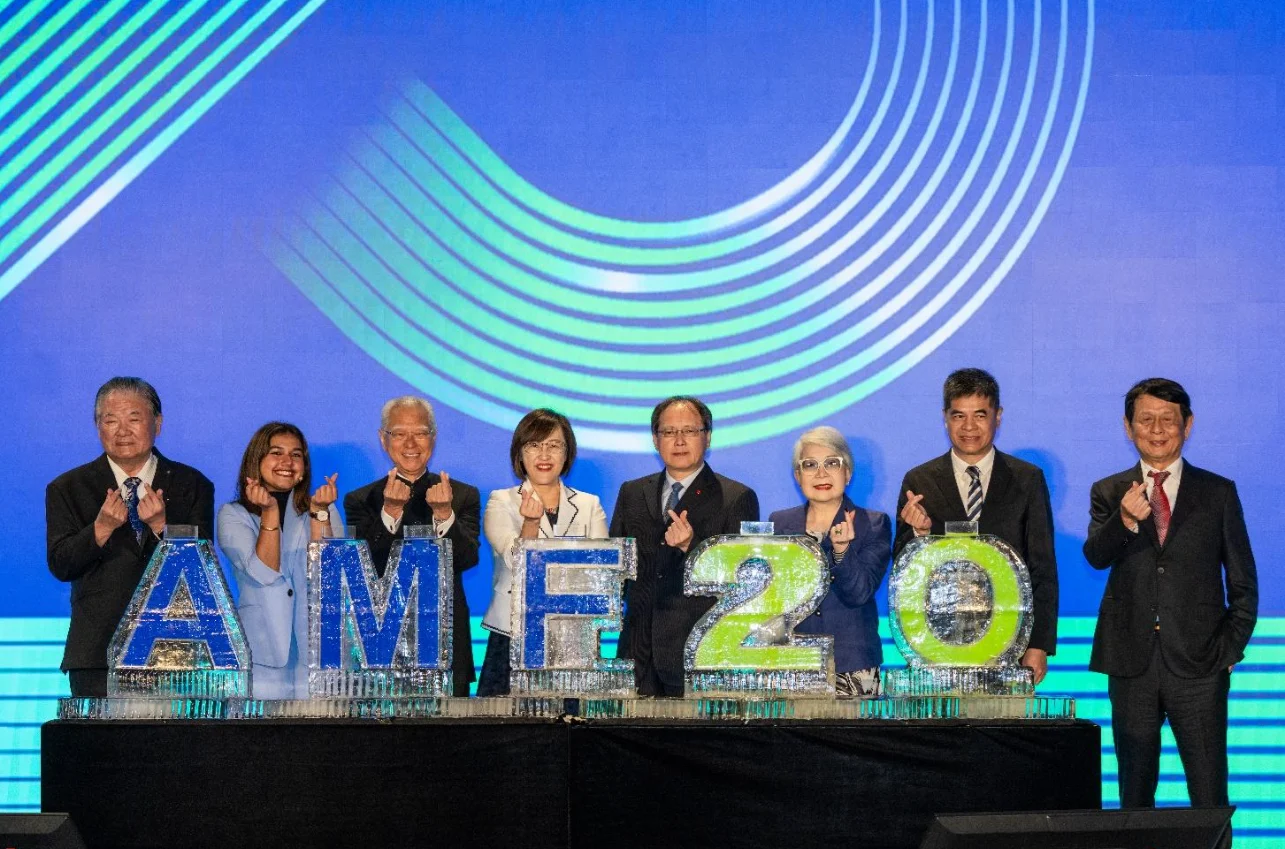
“AMF 20” Ice Sculpture birthday celebration; from left to right: TECA, Founding Chairman, Tiger Lin; STEM promoter, Author and Innovator, Gitanjali Rao; AFECA, Honorary President, Edward Liu; The International Trade Administration, Deputy Director General, Susan Hu; TAITRA, President & CEO, Simon Wang; K&A International, President, Kitty Wong; TCEA, President, James Wu; TEA, Honorary President, Michael Tu

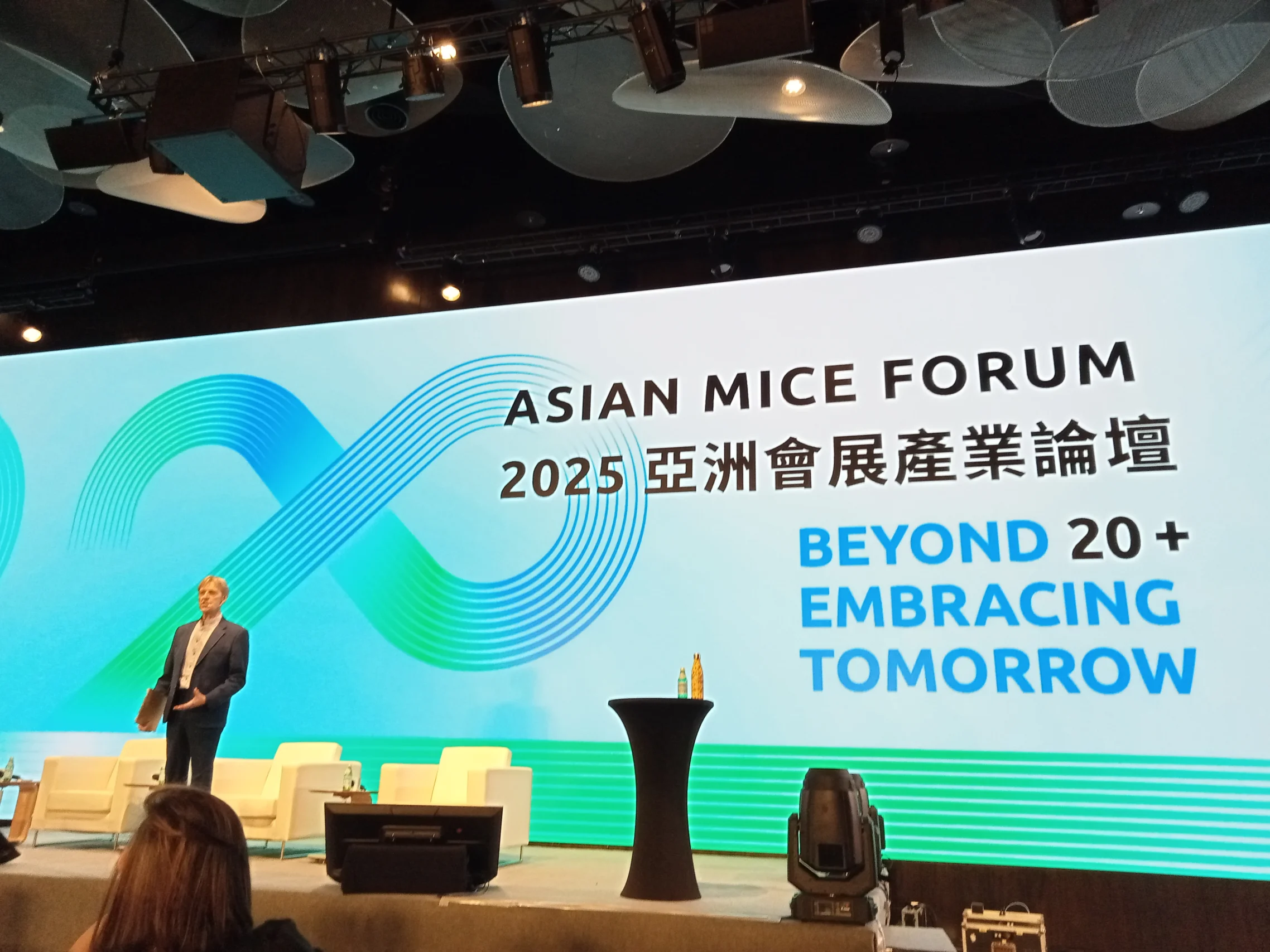
The Asian MICE Forum (AMF), Taiwan’s flagship platform for global dialogue in the business events industry, took place on 19th September 19 in Taipei. 

Celebrating its 20th anniversary alongside the MEET TAIWAN program’s two-decade milestone, this year’s forum adopted the theme Beyond 20: Embracing Tomorrow. 

AMF also introduced a commemorative 20th anniversary logo, blending the number “20” with the infinity symbol. 

Styled with track-like lines and a tech-inspired palette, the visual embodied momentum, innovation, and limitless possibilities.

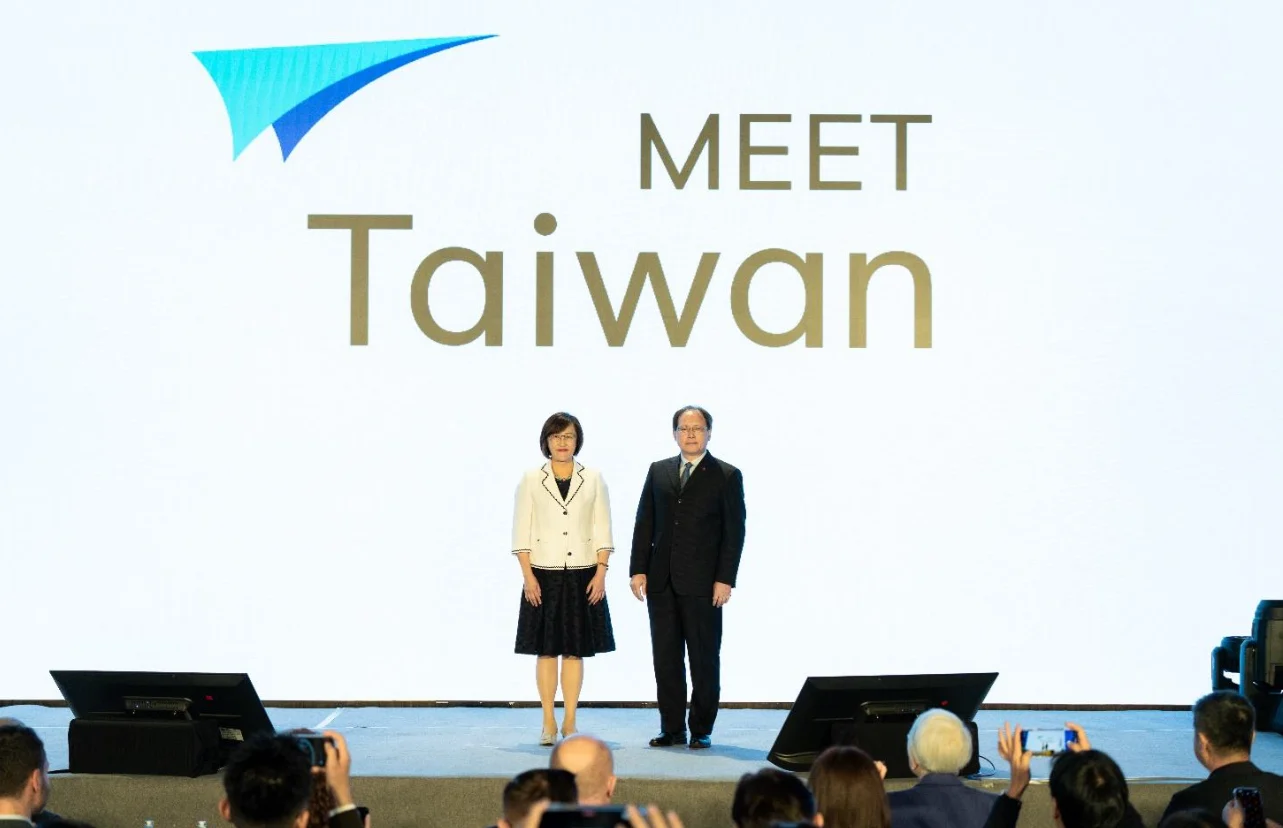
MEET TAIWAN unveiled its new logo, marking the beginning of a new era for Taiwan’s MICE industry.

A dynamic new identity

As part of the celebration, the forum unveiled MEET TAIWAN’s refreshed brand identity, featuring a new logo and the slogan “MEET TAIWAN, me in TAIWAN.” 

The rebrand reflects the program’s evolution and renewed vision for the future of Taiwan’s business events industry. 

The opening ceremony also highlighted a special anniversary video and birthday celebration, underscoring the achievements of Taiwan’s MICE industry and MEET TAIWAN’s pivotal role over the past 20 years.

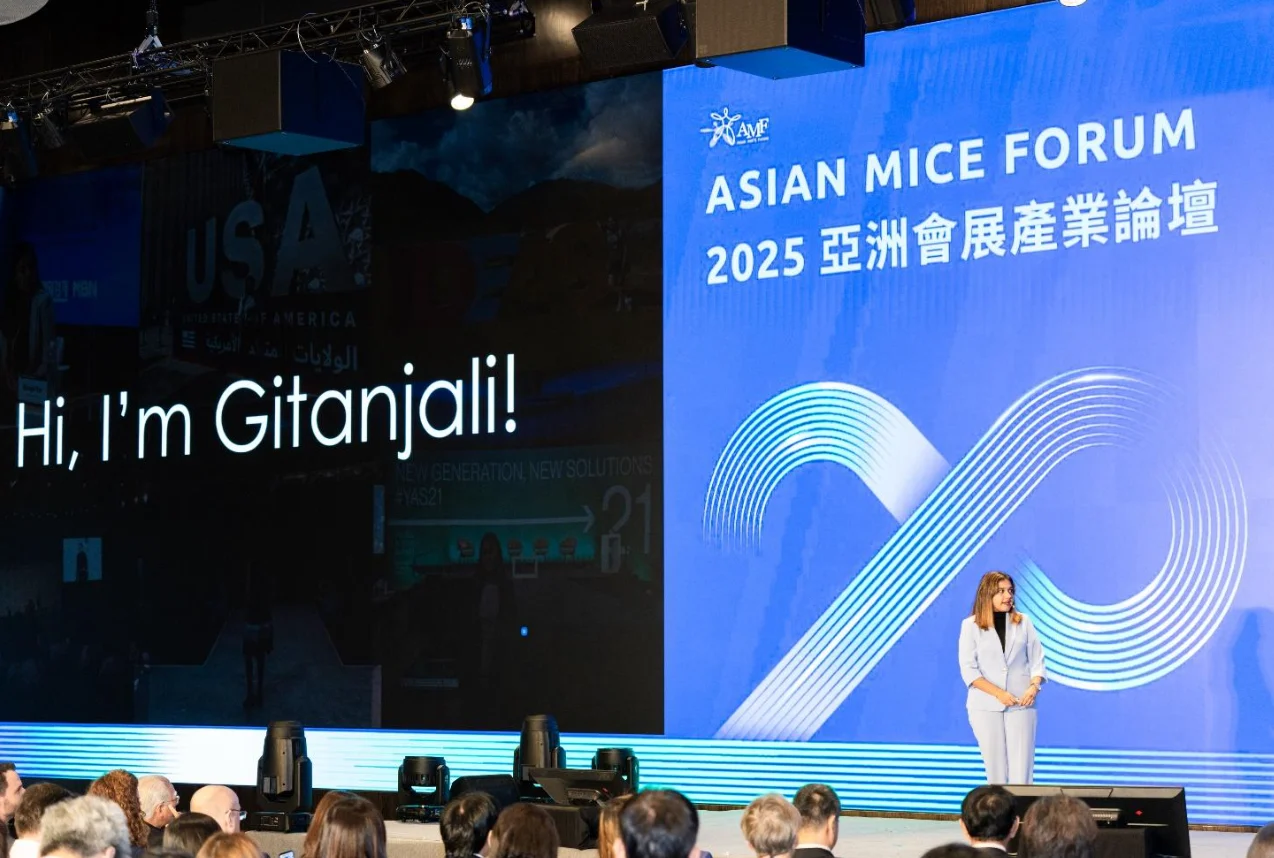
Keynote speaker Gitanjali Rao delivered an inspiring address to highlight the forum.

An impressive and inspiring roster of speakers

This year’s forum welcomed an impressive lineup of global speakers. The program opened with a keynote by TIME’s Kid of the Year and STEM advocate Gitanjali Rao, who spoke on “Technology as a Catalyst for Social Change,” with a focus on the UN SDGs Goals. 

The keynote was followed by three inspiring panels: the first brought together experts from Expo City Dubai, Rotary International, and International Conference Services (ICS) to discuss how innovation can transform the MICE industry. 

The second featured leaders from the Paris Air Show and BIO Asia, exploring the strong connections between exhibitions and local industries. 

The final panel highlighted perspectives from representatives of GIS Group, Suntec Singapore Convention & Exhibition Centre, and Queen Sirikit National Convention Center (QSNCC), focusing on how venues can elevate attendee experiences. 

Together, these sessions provided rich insights into creativity, strategy, and best practices across the global business events landscape.

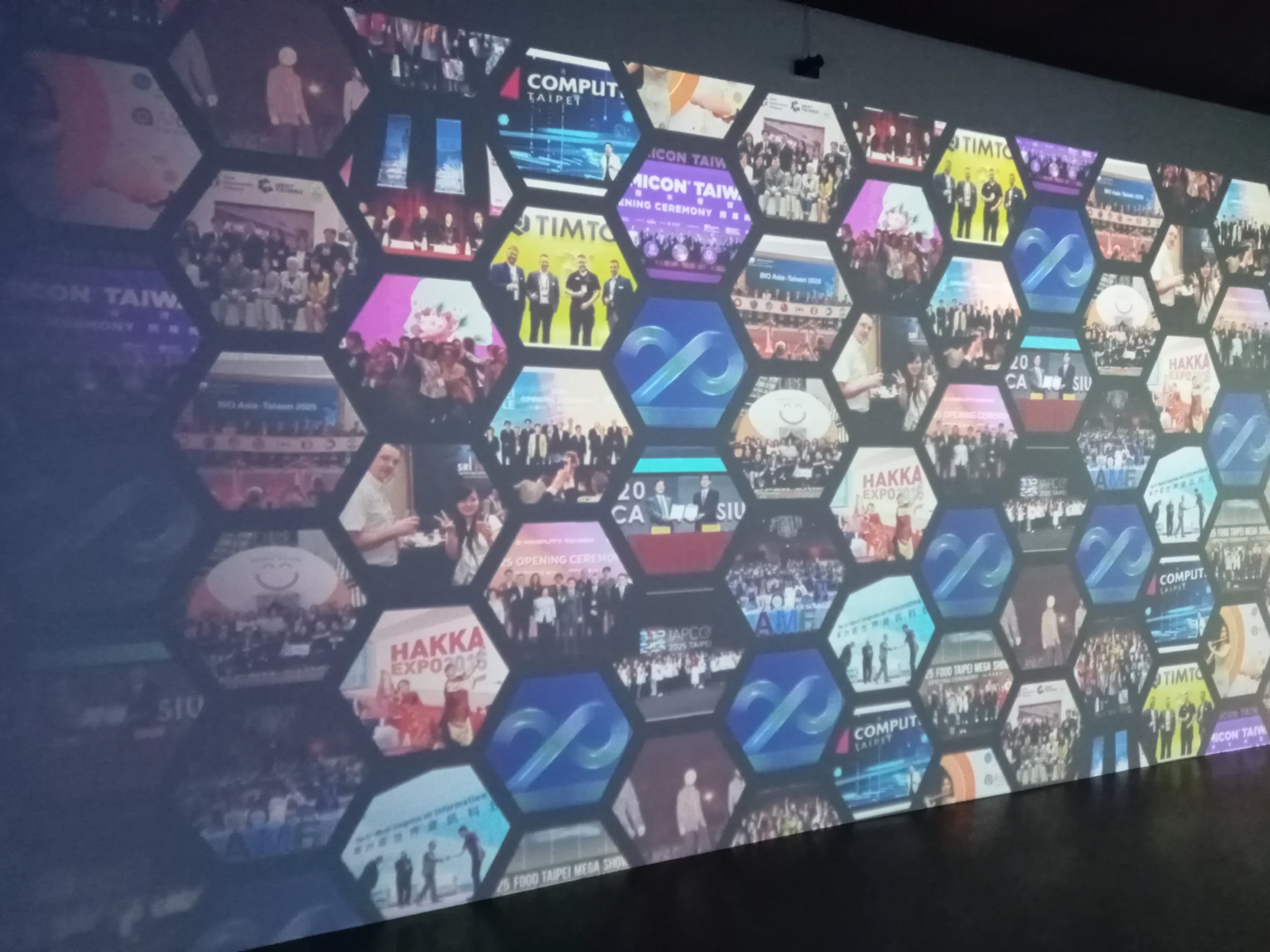
The Tunnel of Time at the Asian MICE Forum took guests through the event’s evolutionary journey.

A dynamic evolution

For the past 20 years, Taiwan’s business events industry has grown into a dynamic driver of innovation and economic development. 

From its early beginnings with limited venues to today’s nationwide Taiwan Business Events Corridor, Taiwan has become home to world-leading exhibitions such as COMPUTEX, TIMTOS, and TAIPEI CYCLE. 

These developments highlight the industry’s vital role in connecting global industries, strengthening Taiwan’s international competitiveness, and contributing significantly to the visitor economy.

As both AMF and MEET TAIWAN mark their 20th anniversaries, this moment is more than a celebration: it is the beginning of a new chapter for Taiwan’s business events industry. 

Moving forward, MEET TAIWAN will refine its strategies, deepen global partnerships, and showcase Taiwan’s unique strengths on the international stage. 

With this renewed vision, Taiwan is ready to drive the next era of growth and transformation in the global business events industry.

The post Beyond 20: Taiwan pioneers the future of global MICE even as it unveils the new MEET TAIWAN brand appeared first on Travel Daily Media.

Source: traveldailymedia
Innovation powers the future of travel at Travel Tech Asia 2025

The post Innovation powers the future of travel at Travel Tech Asia 2025 appeared first on TD (Travel Daily Media) Travel Daily Media.

The global travel technology community will gather at the Sands Expo and Convention Centre, Singapore from 15th to 17th October for Travel Tech Asia 2025. 

Co-located with ITB Asia and MICE Show Asia, the event unites the brightest minds, pioneering technologies, and most influential leaders in the travel and tourism sector. 

Over three days, executives, innovators, and thousands of attendees will meet to showcase solutions, forge partnerships, and shape the future of how the world travels.

Messe Berlin Asia Pacific executive director Darren Seah said of the upcoming event: “Travel Tech Asia is the meeting place for the great minds shaping the future of travel. In an industry traditionally driven by people and experiences, technology is the catalyst that enhances, personalises and scales those very experiences. At our travel technology showcase ideas become innovations, and innovations become the force that will drive the entire travel industry forward.”

Where innovation meets opportunity

Travel Tech Asia is the definitive platform where cutting-edge technologies, emerging trends, and disruptive startups converge with established travel brands. 

The show offers unparalleled opportunities for networking, deal-making, and discovery, enabling businesses to unlock new frontiers in the ever-evolving travel ecosystem.

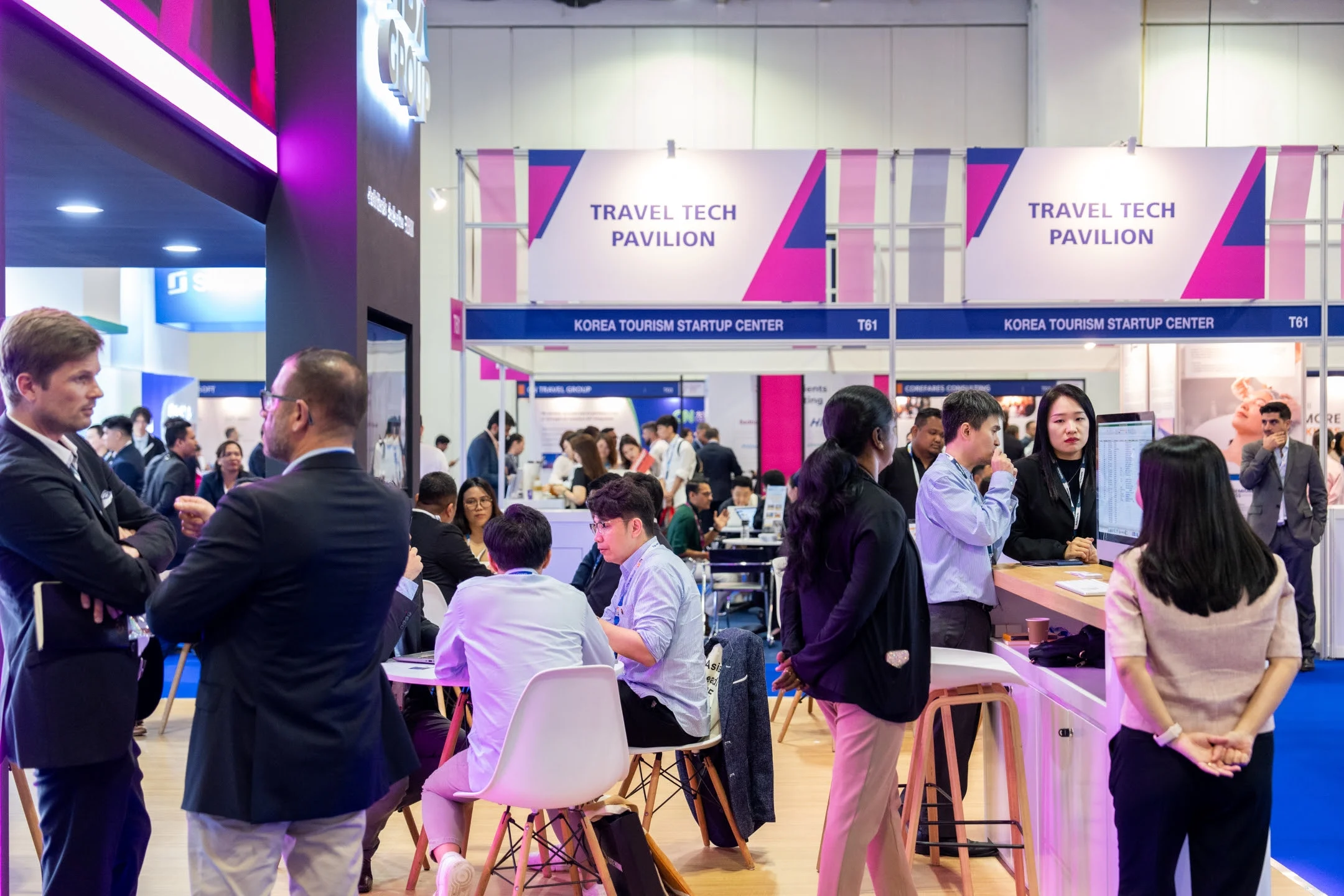
The exhibition floor will feature leading global names including Trip.com Group, Agoda, Go Global Travel, Juniper Travel Technology, Korea Tourism Startup Center, Xendit, SUNRATE, SiteMinder, Airalo, DerbySoft, RateHawk, Skyscanner, RESTEL S.A., Holafly, and Worldline. 

These companies represent the pinnacle of travel technology, showcasing cutting-edge solutions that are driving the evolution of travel across the APAC region.

Equally important are the top buyers attending from across the industry, including C-level executives from renowned organisations such as Trip.com (CTO), THE ASCOTT LIMITED (Digital Transformation), Capitaland (Digital International Lodging Systems), HPL Hotels & Resorts (Director of Revenue Management), Expedia (Principal Software Engineer), Far East Hospitality Management Services (Area Director of Revenue Management), and The Capitol Kempinski Hotel Singapore (Ecommerce & Digital Strategy Manager). 

Their presence highlights the strategic significance of the event, bringing together the most influential decision-makers to explore partnerships, investment opportunities, and technology adoption.

Kicking off Travel Tech Asia on a vibrant note, an exclusive RSVP-only Happy Hour networking session will take place at the Buyers Lounge on 15th October from 5pm to 6pm. 

Open to Travel Tech Asia exhibitors, buyers and speakers, this lively gathering offers a prime opportunity to connect, exchange ideas and forge meaningful partnerships to further enrich the Travel Technology Zone experience.

Upcoming highlights

The Travel Tech Asia Conference 2025 will deliver forward-looking insights on how technology is reshaping travel. 

This year’s programme focuses on trends and innovations in travel technology, the role of AI in transforming travel and tourism, the future of travel payments, and strategies for aviation distribution, offering participants the tools and strategies to navigate the next wave of transformation.

Among the headline sessions and speaker highlights are:

  • The Tech Leaders’ Panel: Driving Innovation in Travel through Technology will explore how travel companies are adapting to shifting consumer demands for personalisation, seamless experiences, and efficiency;
  • The panel on The Impact of AI on the Future of Travel will focus on how artificial intelligence is redefining the traveller journey, streamlining operations, and delivering hyper-personalised experiences;
  • In the session, Real-World Applications of AI and Strategies for Hotels, Andrew Smith, Senior Vice President of Supply at Agoda, will present hands-on examples of how AI is transforming hotel operations and guest experiences, providing actionable strategies for hoteliers to implement or scale AI-driven solutions;
  • The session Unlocking APAC Growth: Smarter Flight Distribution in the Age of NDC will highlight the critical role of flights in the APAC region, which is poised to become the world’s largest travel market; and
  • The C-Suite Talk: Venture Capital in Travel Tech – Unlocking the Future of Innovation will offer an insider perspective on where top investors see the next breakthroughs in travel technology, from AI-driven trip planning to sustainable travel solutions. 

The post Innovation powers the future of travel at Travel Tech Asia 2025 appeared first on Travel Daily Media.

Source: traveldailymedia
Inside the Asian MICE Forum: Taiwan’s phenomenal rise and five key takeaways

The post Inside the Asian MICE Forum: Taiwan’s phenomenal rise and five key takeaways appeared first on TD (Travel Daily Media) Travel Daily Media.

We at Travel Daily Media recently had the opportunity to take part in the 20th edition of the Asian MICE Forum at the Taipei New Horizon in Taiwan.

The event was an insightful one that took participants through its two-decade history  even as speakers charted a course for the Taiwanese and Greater Asian MICE industry for years to come.

In the course of the three-day event which took us from the heart of Taipei to Taiwan’s biggest MICE venues in the southern cities of Tainan and Kaohsiung, we picked up several points to ponder for both MICE and general travel professionals alike.

Five key takeaways

When it comes to event organisation, start with why
Simon Sinek’s theorem on brand value proposition was one of the most oft-quoted concepts presented by panellists throughout the Asian MICE Forum. 

But there is a good reason for this: we have noticed in our attendance over a number of mega-MICE events throughout this year that the main idea of the event, the raison d’etre so to speak, tends to get lost with all the subtopics and gimmicks presented by individual exhibitors.

Reminding all stakeholders from organisers to participants of the true reason why an event is being held and actually ensures stronger brand identity recall in the long run.

Indeed, if a more cohesive thematic can be implemented throughout an event, it will go a long way towards making it more memorable and encourage participants to return and even invite others to be a part of the next edition.

When planning events, begin at the end

Sounds oxymoronic when you read it, but it’s actually the course of prudence followed by such major global events like the biennial Paris Airshow and the Dubai Expo.

This second point is a throwback to the first in that the question of why you’re holding the event leads to the question of what you seek to accomplish through it.

This reverse planning strategy enables event organisers to look closely at their end goals, go through the different programmes and activities, and consider more effective and efficient ways of bringing these to life for optimal results.

Interactivity amplifies engagement at events

One of the features of this year’s Asian MICE Forum was a Tunnel Through Time which presented a dynamic audio-visual timeline of the event’s history.

Placed at the very entrance of the primary event venue, it enabled participants to catch more than a passing glimpse of the event’s past, its primary purpose, along with key projections for its future.

But this tunnel wasn’t the only way by which attendees could interact during the event: rather than keeping question-and-answer and reactive activities for the end of each panel, Slido QR codes inviting people to react to certain topics were flashed throughout the duration of each session, thus giving participants their own part to play.

Likewise, moderators also involved the audience in every session by asking them to form thought huddles to discuss key topics and formulate their own opinions or conclusions regarding specific issues.

Yes, it’s all sustainable and healthy

One of the notable aspects of the Asian MICE Forum was the way it put sustainability into action throughout the event.

While the main meal of the event, lunch, was presented blue-plate style, it came in the form of reusable lunchboxes which participants were required to surrender at the end of the meal hour at recycling stations just outside the venue.

At these stations, lunchboxes were segregated from utensils, while any food waste was properly binned for either composting or animal feed to be sent to farms on the outskirts of the Taiwanese capital.

At the same time, reusable coffee / water cups were offered at snack stations, and participants were encouraged to hold on to them and reuse them throughout the event.

The total step count of participants was also measured and totted up at the end of the Forum as a way of encouraging people to move dynamically as opposed to merely sitting in at sessions.

MICE benefits everyone

While it is commonly assumed that MICE only benefits the industries that host the events, the Asian MICE Forum served to remind us that MICE benefits a whole range of supporting industries.

MICE events aren’t just the remit of event planners or organisers, as well as venue management companies; they also bring in significant revenues for the hospitality sector as participants need accommodation for the duration of an event; food and beverage providers to feed them at the event and even out of it; service providers ranging from tech staff to translators, and even emergency medical personnel.

MICE also enables retail to flourish, along with domestic tourism and entertainment / leisure venues that can offer some well-deserved rest and relaxation following an event.

Taiwan is becoming the place for MICE in the Asia Pacific

While the plenary sessions for the Asian MICE Forum were held on 19th September, a splinter session titled Asian MICE Link was held outside of Taipei on 20th September.

Asian MICE Link served as a showcase that presented Taiwan as an up and coming powerhouse for the Asian MICE sector thanks to mega-venues like the International Convention and Exhibition Centre (ICC) in Tainan as well as the Kaohsiung Exhibition Centre, both of which are located in two of the country’s foremost trade hubs.

In presentations delivered in Tainan and Kaohsiung, Taiwanese officials highlighted the country’s preparedness to host major events from the annual conventions of multinational corporations to global and regional sporting events like the Asian Games.

This preparedness covers everything from facilities and services, to post-event activities under the Taiwan Biz Fun programme which takes event participants on fam tours to give them a better appreciation and understanding of their host country.

Beyond all that, of course, Taiwan’s popularity as a tourist destination in its own right also serves to make it one of the most attractive venues for events anywhere in the world.

The post Inside the Asian MICE Forum: Taiwan’s phenomenal rise and five key takeaways appeared first on Travel Daily Media.

Source: traveldailymedia
The Future of Travel is Spiritual, Slow and Hyper-Local – Are You Ready?

The post The Future of Travel is Spiritual, Slow and Hyper-Local – Are You Ready? appeared first on TD (Travel Daily Media) Travel Daily Media.


This is the ultimate ‘pulse check’ on where travellers are now and what will be driving them forward for years to come, specific to experiential travel, there were 14 trends identified globally. Scott Wegener, Head of Asia Pacific at Tripadvisor focuses on the top five that were most relevant for South Asia travellers. He shared these while addressing the audience during the opening keynote at ITB India 2025.

With experiential travel now the new normal, from a Trip Advisor perspective, they thought it was really important to look deeper into how this segment is likely to evolve over the coming years. Therefore, they launched the Trip Advisor trendcast this year. They plan to continue to do it every year. Moving forward, it’s a global deep dive into the themes and trends emerging from millions of reviews, bookings and traveller forums and discussions.

These aren’t just trending destinations, they’re broader cultural shifts. They aren’t just focused on 2025 they’re long-term trends that they expect we are going to see over the next three years. And they are not created by AI. They’re powered by real traveller stories, real traveller searches and written traveller data.

1) Written in the Stars, or Spiritual travel
The first trend is what we call Written in the Stars, or Spiritual Travel. Essentially, spiritual experiences are helping more of us find community and a sense of purpose in the universe.

Practices like tarot card readings and horoscopes are no longer at home activities. They’re driving travel decisions and reshaping destinations in this now age, spirituality and ancient practices are merging together with modern wellness, feeding our curiosity about worlds seen and unseen.

Spiritual travel is essentially a cross pollination of health, meaning and the desire for connection.
Some examples of how spiritual practices are being embraced by businesses within our industry. The Standard Hotel in London holds monthly Zodiac retreats that match travellers with experiences tailored to their star sign.

The Standard Hotel in the Maldives offers holistic and spiritual treatments, including sound healing and mantra meditation.

One of the Mandarin Oriental properties in Greece has added crystal healing readings to their spa menu that sits alive alongside traditional massages. Even ancient and spiritual sites, sacred sites like Stonehenge and the pyramids now have astrologer led tours, which are rising in popularity.

2) Water Culturalism
Water has always been our happy place, a place for joy and play, but now our connection to water is going deeper, shifting into social playgrounds and adventure frontiers, ancient bathing rituals like hammams’ in Turkey or Onsens in Japan have brought people together for centuries, but that scene is evolving.

In South Korea and China, modern bath houses are becoming the ultimate hangout for Gen Z and millennials.

In China, in a popular bathing house, you can do your water therapy session and then move into the next room to do karaoke, move into the next room to do some gaming, or then move into the next room for a movie night.

Even traditional water activities are becoming reimagined.

Dive operators like the original diving company are transforming underwater adventures. It’s no longer just about going as doing a scuba diving tour for half an hour. They are now transforming these adventures into shared conservation missions with the original diving company. You can help plant coral in Philippines, or you can track seahorses in Mozambique, where you can even help build reef highways in Fiji, even holy bathing ceremonies, rituals and festivals are seeing a spike in interest from TripAdvisor South Asia, with particularly with South Asian travellers, take the recent Kumbh Mela in India, or Songkhram in Thailand,  have always been very popular festivals to attend by people from within the country, but we are seeing greater interest now from people outside of those countries who want to come and participate and really take in those experiences and understand more about leaning behind them.

3) Slow Going

The next trend is what we’re calling Slow Going. Eco conscious travellers are choosing to take the long way more to slow down and enjoy the journey.
The journey itself is the new destination, whether it’s taking the scenic train through tree plantations, Misty valleys and rolling hills from Kandy to Ella in Sri Lanka, or taking long tail boats from fishing village to fishing village in southern Thailand, or taking a bicycle tour along the Mekong Delta in Vietnam.

We are trading quick connections for a more unhurried, unbothered experience. It is all about the art of getting there. Slow going allows for cultural, rich connection, organic discoveries and true sustainability. It offers time for reflection, interaction and unhurried appreciation,
of the journey, not just the destination.

4) Investigative Eating

The next trend, investigative travel, is now a delicious investigation into how our food is grown, sourced and prepared farm to table. It is not new, but we’re seeing its next evolution, and I think that is the same for most of these trends that I am talking about. They’re not necessarily new trends, but they are evolving into even more deep and immersive experiences and activations, and this is what we are seeing with investigative eating.

So farm to table is about taking a look respectfully and getting a first-hand understanding of where the food comes from and how it’s made. In Thailand, their largest cattle farm, you can go there and you can do a guided tour see all the animals have the cows, sheep, chickens, etc.
But not only that, you can then go and help on the farm. You can help milk a cow. You can help make ice cream. And then at the end of the day, you can go to their restaurant for a meal at their Steakhouse, where you can enjoy the tender farm raised beef from the farms.
Now that you have just seen those days, a visit here combines agritourism, farm education and a true staycation experience.

5) Nano Neighbourhoods

The last trend is Nano Neighbourhoods. Instead of maxing out our itineraries, travellers are going deeper into single destinations, taking it one block at a time for tourism and a hunger to have a real, authentic experience is driving us to zoom in on single neighbourhoods and even single streets, to find the stuff you cannot get in guidebooks, we are replotting new routes to up and coming areas like Shahpur Jat
in South Delhi, or Assan in Kathmandu, or Jaffna in Sri Lanka. There is a common thread with these three. They all offer tight knit, local driven immersions Market Streets, where visitors can experience crafts, food and heritage, all on a smaller, more personalised scale.

So what to do with this information? What are the takeaways? Well, what can industry leaders do in a rapidly evolving market? Travel Industry leaders who embrace the insatiable appetite for authentic, immersive experiences are going to be best placed for sustainable growth.
You need to help travellers find meaning in your attraction, in your destination, in your business!

The post The Future of Travel is Spiritual, Slow and Hyper-Local – Are You Ready? appeared first on Travel Daily Media.

Source: traveldailymedia
Philippine Department of Tourism allocates PHP15 million for 2025 Tourism Start-Up Challenge

The post Philippine Department of Tourism allocates PHP15 million for 2025 Tourism Start-Up Challenge appeared first on TD (Travel Daily Media) Travel Daily Media.

The Philippine government, through the Department of Tourism (DOT), is allocating a total of PHP15 million to fund three outstanding tourism start-up projects from Luzon, Visayas and Mindanao under its 2025 Tourism Start-Up Challenge.

In an announcement made yesterday, 24th September, tourism secretary Christina Frasco declared that each winning proposal will receive PHP5 million for project implementation.

The project is in partnership with the Commission on Higher Education (CHED) and Tourism Infrastructure and Enterprise Zone Authority (TIEZA).

Frasco said: “To ensure that the benefits of the travel tax truly advance tourism education in the country as well as promote innovation, especially amongst our youth, we are proud to launch the Tourism Start-Up Challenge. Through this initiative, we empower students to bring forward bold ideas that can transform the future of Philippine tourism.”

Who can join the challenge?

School-formed groups consisting of four third-year or fourth-year college students of any course coached by one adviser may submit their proposal to the CHED regional offices until 31st October.

Proposals must be aligned with the National Tourism Development Plan and must include at least one of the six pillars of the grant’s priority areas:

  • Facilities and Demo Labs in pre-existing facilities of the school/university
  • Immersion and Career Development
  • Technology Innovation and Digitalization
  • Start-Up and Incubation Centers
  • Research and Development
  • Tourism Education & Education Tourism

All proposals will be shortlisted down to one proposal per region.

The 17 shortlisted proposals will then be given a grant of PHP250,000 to be downloaded to the respective higher education institutions, with only three sets to emerge as national winners.

The post Philippine Department of Tourism allocates PHP15 million for 2025 Tourism Start-Up Challenge appeared first on Travel Daily Media.

Source: traveldailymedia
Trip.com and TAT jointly launch the Go Thailand campaign

The post Trip.com and TAT jointly launch the Go Thailand campaign appeared first on TD (Travel Daily Media) Travel Daily Media.

Global travel service provider Trip.com and the Tourism Authority of Thailand officially launched the Go Thailand campaign.

This promotion offers travellers from 16 international markets exclusive discounts running up to 50 percent on Thailand hotels, flights, and local activities. 

The campaign kicked off last 9th September and will run until 31st October 2025 with special “Big Wednesday” deals refreshed weekly.

The Go Thailand campaign is available exclusively on Trip.com’s platform and mobile app, targeting travelers from key source markets across Southeast Asia, Northeast Asia, and Europe. 

Markets include Japan, South Korea, Malaysia, Vietnam, Singapore, and other strategic locations where demand for Thailand travel remains strong.

According to Trip.com’s vice-president for global destination marketing and PR Edison Chen: “Thailand’s appeal lies in its incredible diversity: ancient culture meets modern dynamism, bustling cities complement serene beaches, and world-class luxury coexists with authentic local experiences. Through our exclusive offers and comprehensive travel solutions, we’re making it easier than ever for travelers to discover why Thailand remains one of the world’s most beloved destinations. With savings of up to 50 percent available every Wednesday, there’s never been a better time to experience the magic of Thailand.”

What to expect with Go Thailand

Travelers can access special discounts of up to 50 percent on essential Thailand travel products, including hotel accommodations across all major Thai destinations, domestic and international flights to and within Thailand, and local activities, attractions, and experiences

Throughout the campaign period, Trip.com will release new exclusive coupons and flash deals every Wednesday, thus providing multiple opportunities for travelers to secure maximum savings on their Thailand bookings.

The Go Thailand campaign’s simultaneous activation across 16 markets has been carefully curated with localised offers and culturally relevant messaging per market to maximise engagement and conversion. 

This targeted approach ensures that whether travelers are seeking Bangkok’s urban excitement, Phuket’s pristine beaches, or Chiang Mai’s cultural treasures, they can access tailored deals that match their preferences and budgets.

Go forth and discover Thailand’s best

From the vibrant street markets and golden temples of Bangkok to the crystal-clear waters of Phi Phi Islands, Thailand offers experiences that captivate every type of traveler. 

The Go Thailand campaign makes it the perfect time to explore the Land of Smiles, whether you’re seeking adventure in the northern mountains of Chiang Mai, wellness retreats in Koh Samui, or the legendary Thai hospitality that makes every visitor feel at home.

Travellers can access the Go Thailand campaign offers exclusively through the Trip.com platform including the mobile app, desktop website, and mobile website, with customer support available in multiple languages to assist with bookings and travel planning.

The post Trip.com and TAT jointly launch the Go Thailand campaign appeared first on Travel Daily Media.

Source: traveldailymedia
Loganair partners with Saint PHNX

The post Loganair partners with Saint PHNX appeared first on TD (Travel Daily Media) Travel Daily Media.

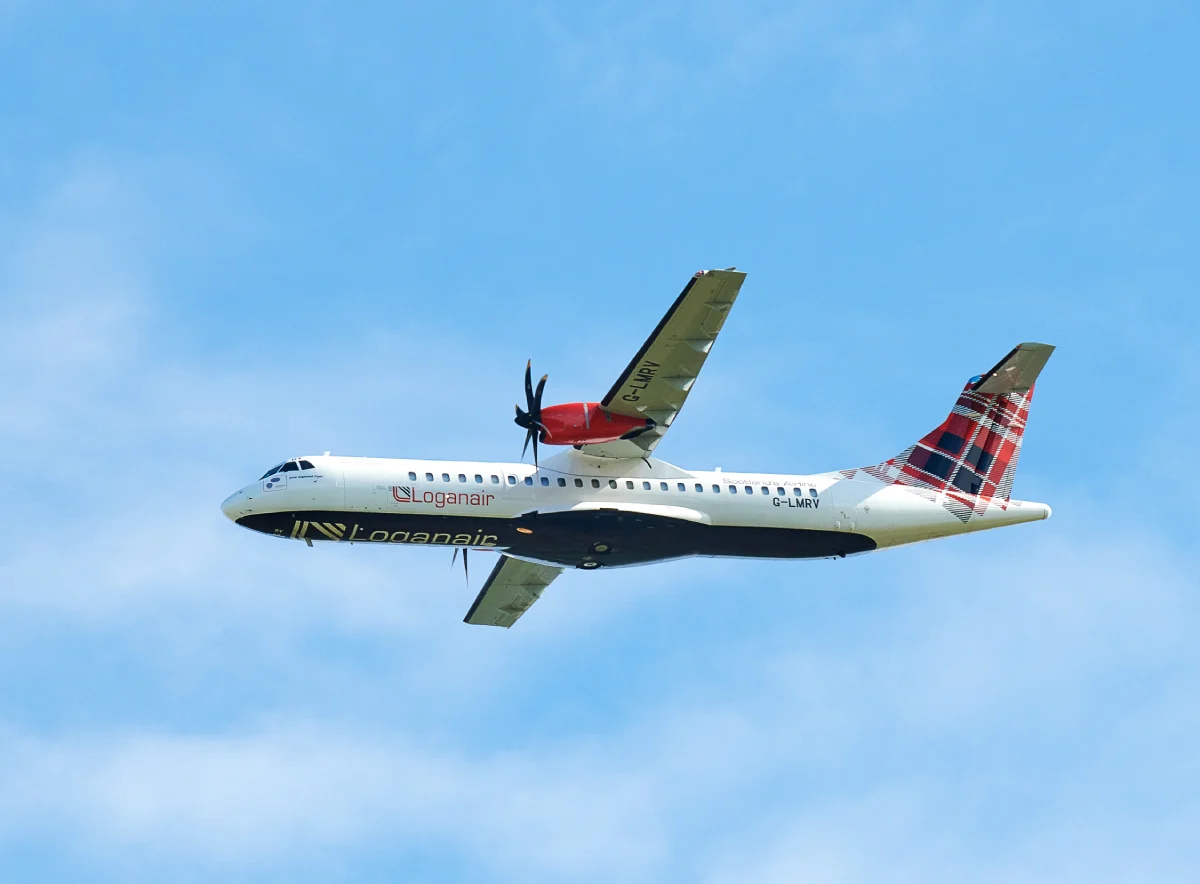
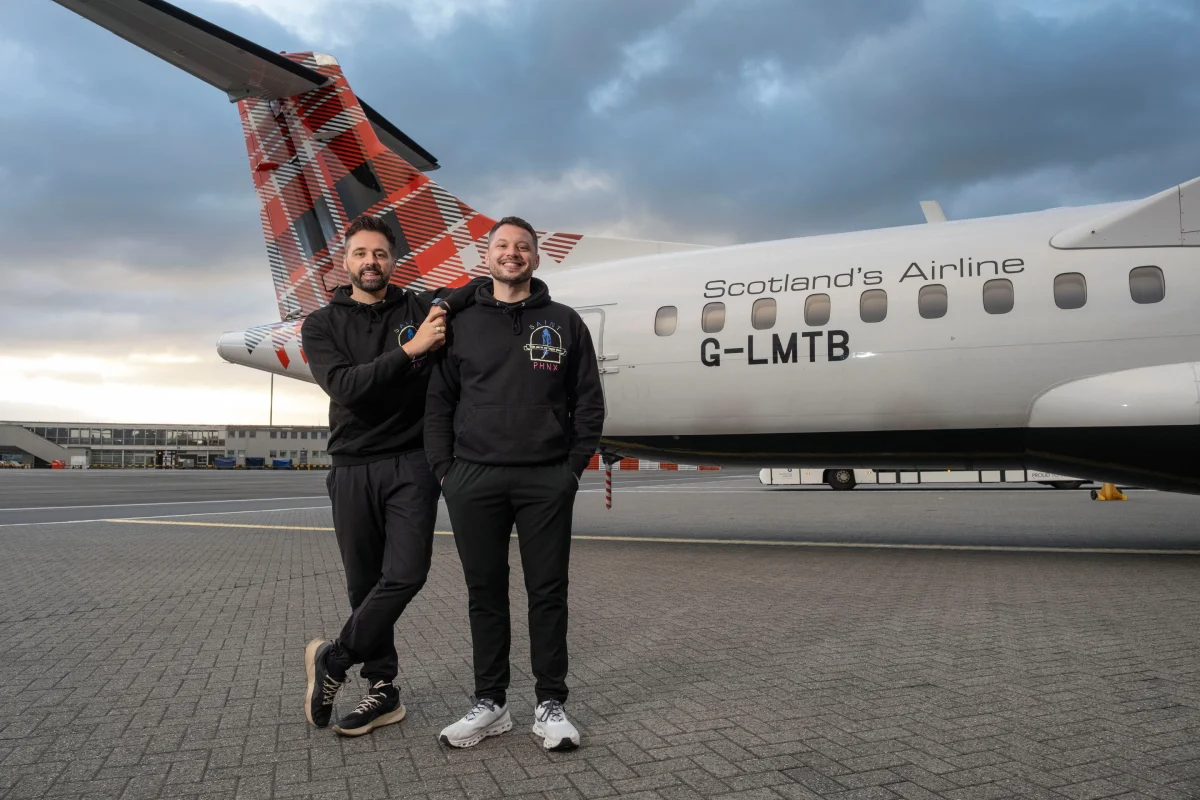
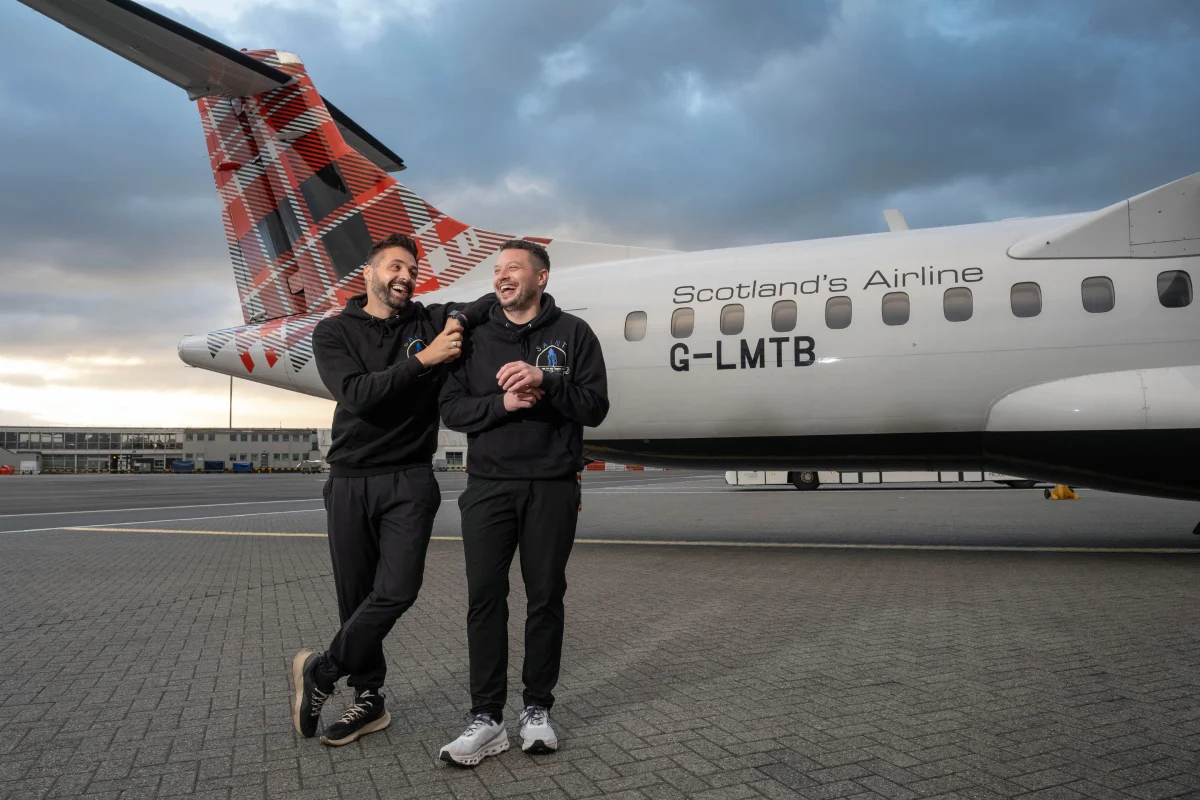
Loganair, the UK’s leading regional airline, has announced its official partnership with The Happy Place Workshop, a free mental health workshop created by Scottish band Saint PHNX, to help deliver the initiative to young people across Scotland’s islands.

The Happy Place Workshop is designed and delivered by brothers Stevie and Alan Jukes, inspired by their personal experience of loss and the healing power of creativity. Named after the band’s song written in memory of their late father, the workshop creates a safe and supportive space for young people to explore mental health, build self-esteem and express emotions through art and music.

Since launching in December 2023, Saint PHNX have delivered around 180 workshops, reaching over 10,000 children across Scotland. With Loganair’s support, they will now extend its reach to island communities including Barra, Tiree, Islay, Stornoway, Orkney and Campbeltown.

Loganair will provide flights for the band, enabling them to bring The Happy Place Workshop, which has recently been granted charitable status, to some of the most remote island communities in the UK, which are served by the airline’s network. The workshops are free for schools, with sessions encouraging open discussion, shared experiences, and practical tools for supporting mental wellbeing.

Lyn Macdonald, director of marketing, communications and product, said: “The Happy Place Workshop is making a real difference for young people across Scotland, and it’s important this opportunity is available to those living in island communities as much as it is on the mainland.

“Conversations around mental health are essential, yet access to the kind of open, creative environment that The Happy Place Workshop provides can be limited in more remote areas.

“By providing transport for Saint PHNX, we’re helping to remove that barrier and open the door for hundreds more young people to take part. Our role is simply to connect communities – whether that’s through reuniting families, enabling business, or in this case, ensuring initiatives like this can reach those who will benefit most.”

Saint PHNX’s Stevie Jukes said: “We’re incredibly proud to welcome Loganair as an official community partner of the Happy Place Workshop. Their support marks a huge milestone in our mission to reach every corner of Scotland – from the Highlands to the Islands.

“With Loganair’s help, we can bring the power of music, mindfulness, and emotional well-being to children in even the most remote communities. This partnership will help us grow nationally and connect with more young people than ever before.”

This partnership forms part of Loganair’s wider charitable and community-focused initiatives. The airline’s GreenSkies sustainability programme offsets carbon emissions from all flights on behalf of customers, with money from the initiative supporting sustainability and community-focused projects across its network.


The post Loganair partners with Saint PHNX appeared first on Travel Daily Media.

Source: traveldailymedia
Finnair becomes the first airline to introduce ancillary combos using modern retailing capabilities

The post Finnair becomes the first airline to introduce ancillary combos using modern retailing capabilities appeared first on TD (Travel Daily Media) Travel Daily Media.

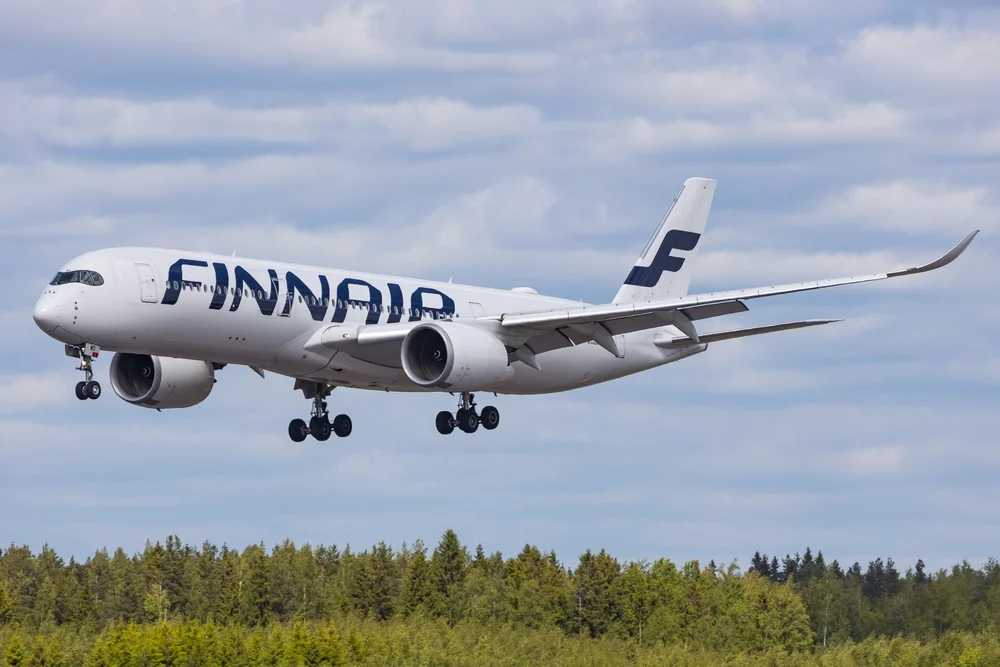
The Finnish national carrier, Finnair, has taken the next step in its digital transformation and is the world’s first airline to introduce ancillary combos, also referred to as bundles in the industry, built on modern retailing capabilities. Finnair’s transition from legacy technology to native orders earlier this year now allows customers to buy ready-bundled ancillaries easily and for a better price.

“We are extremely excited to be the first ones in the industry to take this concrete step and introduce the first ancillary combo to our customers. In the future, dynamic product bundling gives customers more control and choice. For an airline, this means an enhanced ability to personalize offers and improve the customer’s purchase experience,” says Antti Kleemola, Finnair’s Chief Digital Officer. “I am happy to tell this was well received by our customers right at launch”.
In the first phase, Finnair customers can buy a combination of seat selection and internet connection for a discounted price when buying a flight ticket on Finnair’s website. The combo is offered on all flights where full internet connection is available as an ancillary.
The seat and internet combination is first available in limited European markets and will become available gradually in all markets this autumn. More combinations will follow in the future, including meals, priority services, carry-on, and lounge access.
The introduction of ancillary combos is a result of significant technological steps that Finnair has recently taken, including the introduction of native orders as the first airline in the world in May 2025. Unlike the traditional booking methods such as Passenger Name Records (PNR), native orders allow airlines to manage customer orders in a single record, bringing together all the necessary information, from flight details, services, preferences and personal information, creating a simple, integrated customer record. This transition to native orders is a prerequisite for offering ancillary combos.


The post Finnair becomes the first airline to introduce ancillary combos using modern retailing capabilities appeared first on Travel Daily Media.

Source: traveldailymedia

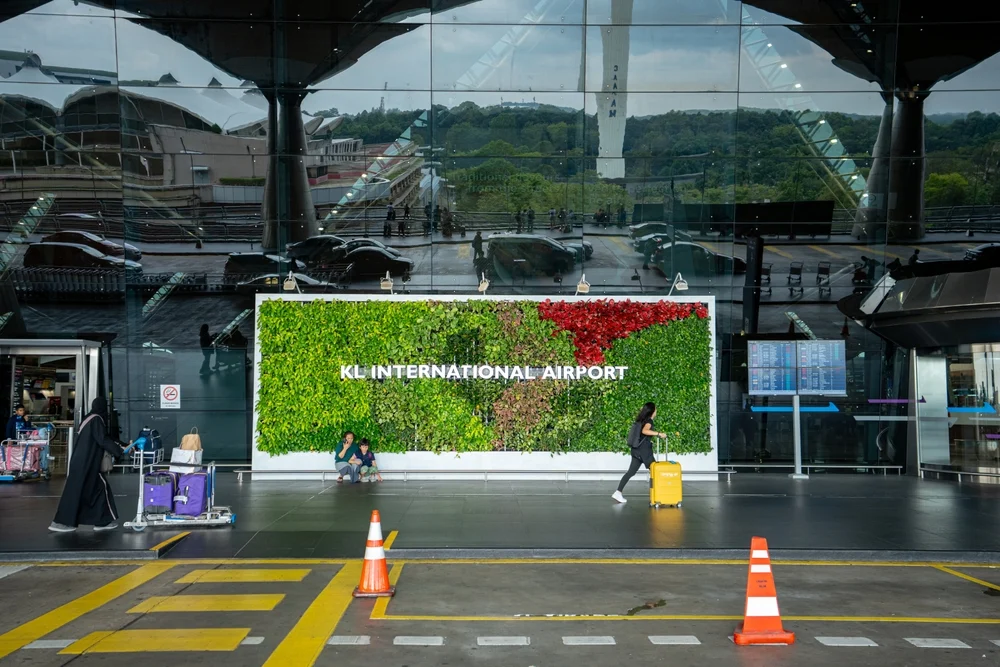
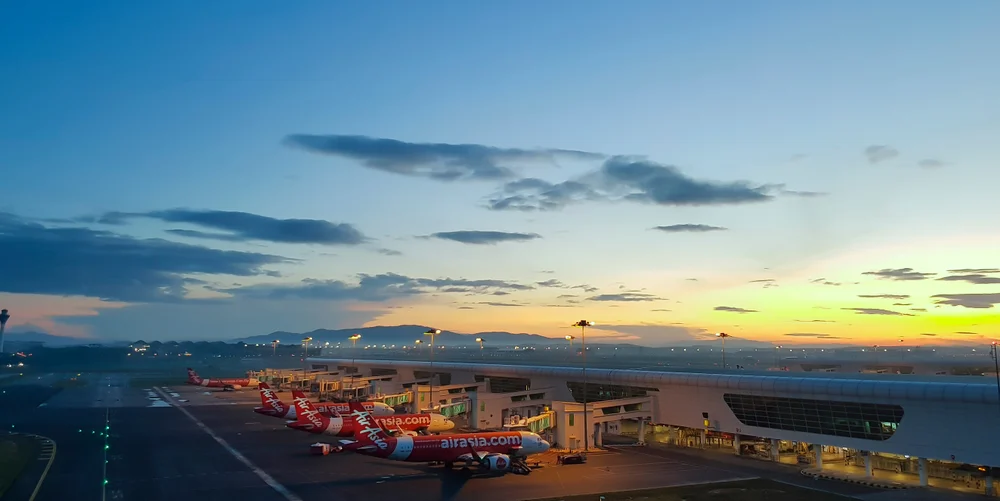
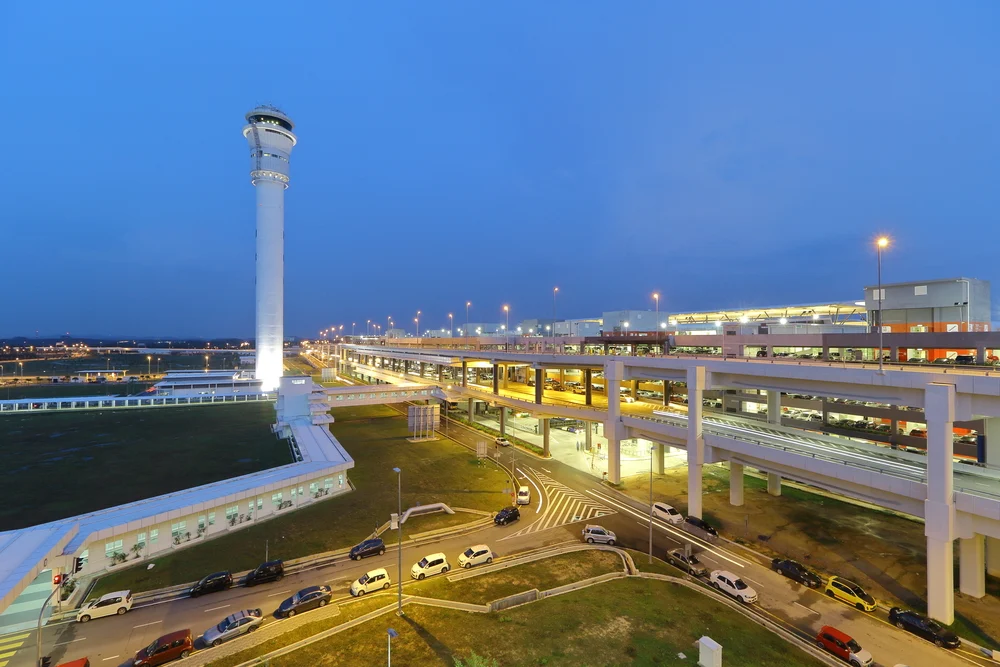
Kuala Lumpur (KUL) remains the world’s most connected LCC Megahub: OAG Megahubs 2025

The post Kuala Lumpur (KUL) remains the world’s most connected LCC Megahub: OAG Megahubs 2025 appeared first on TD (Travel Daily Media) Travel Daily Media.

The 10th annual edition of OAG Megahubs 2025 has been launched with Kuala Lumpur leading the way for the Asia-Pacific region. This special anniversary edition continues to deliver the key statistics on the most connected airports in the world, and also includes a comparison to a decade earlier, highlighting both the growth of the aviation industry and the competitive options available to travellers from expanding Megahubs.

OAG Megahubs 2025 reveals the most internationally connected airports in the world and the most domestically connected airports in the U.S. including:

  • Top 50 Most Connected Airports
  • Top 25 Most Connected Low-Cost Carrier (LCC) Airports
  • Top 25 Most Connected US Domestic Airports
  • Top 10 Most Connected Airports by region: EMEA, North America, Latin America, Asia Pacific, Europe, the Middle East, and Africa

OAG Megahubs 2025 ranks the connectivity of the world’s leading international airport hubs – globally and regionally – as well as gateways into domestic markets and provides a platform for comparison. These unique rankings are generated by comparing the number of scheduled connections to and from international flights with the number of destinations served from the airport.

Now in its 10th year, these unique rankings are generated by comparing the number of scheduled connections to and from international flights with the number of destinations served from the airport. Using the most comprehensive and accurate network of airline schedules and global flight connections in the world, OAG Megahubs 2025 provides essential insights on how flight connectivity changes, develops and grows across the world’s largest airports.

Megahubs 2025 includes a comparison to a decade earlier, highlighting both the growth of the aviation industry and the competitive options available to travellers from expanding Megahubs.

Kuala Lumpur (KUL) is the highest-ranking Asian airport in the Top 10 in joint 4th place with Frankfurt (FRA).

London Heathrow (LHR) retains its title as the world’s most connected airport for the third consecutive year, offering over 59,000 possible connections to 226 destinations* on the busiest day**. Heathrow remains the leading hub for global travelers and is also Europe’s busiest airport by seat capacity.Notably, Heathrow is the only airport in the Global Top 10 to retain the same ranking as last year. Every other airport in the Top 10 have seen shifts in position – some positive and some negative.

Key movements within the Top 10 include:

  • Istanbul Airport (IST) has seen one of the greatest increases, surging from 8th position last year to 2nd place in this year’s ranking, due to a 25% year-on-year increase in potential connections on the busiest day of the year.
  • Amsterdam Schiphol (AMS) climbs to 3rd place, up from 4th place last year.
  • Kuala Lumpur (KUL) is the highest-ranking Asian airport in the Top 10 in joint 4th place with Frankfurt (FRA).
  • Frankfurt (FRA) has seen a significant shift in rankings, climbing from 10th position last year to 4th, driven by a 21% increase in potential connections year-on-year.
  • Tokyo Haneda (HND) has dropped down in this year’s rankings from 3rd in 2024 to 9th in 2025, reflecting a 10% decline in connections.
  • Atlanta Hartsfield-Jackson (ATL) – the world’s largest airport by seat capacity – re-enters the Top 10 this year rising from 11th place last year to 8th position in 2025. ATL has added eight more destinations and seen a corresponding 14% increase in potential connections.
  • Chicago O’Hare (ORD) also makes gains, climbing two spots to 7th, due to a 17% growth in connections and an expanded network of 15 additional destinations.

Low-Cost Megahubs highlight the growing strength of LCCs in shaping global connectivity

  • Kuala Lumpur (KUL) remains the world’s most connected LCC Megahub, holding onto the top spot.
  • Incheon (ICN) has risen from 3rd to 2nd place, swapping positions with Manila (MNL), which now ranks 3rd.
  • Hong Kong (HKG) has experienced the most impressive growth, moving up 20 places to 4th place this year. Potential LCC connections at HKG has almost tripled, driven by HK Express, which added 15 new destinations in the past year. Almost half of these operate to Japan, with others linking to China, Vietnam, and Malaysia.
  • Dubai (DXB) in 5th place has the highest volume of potential LCC connections, an increase of 4% year-on-year, with FlyDubai playing a central role operating 28% of flights at Dubai.
  • Sydney (SYD) has seen one of the largest jumps moving up from 20th place in 2024 to 6th place this year. Australia’s busiest airport nearly doubled its potential LCC connections – now approaching 7,000.
  • Tokyo Narita (NRT) – Tokyo’s second largest airport – has also almost doubled its potential connections compared to last year, consequently moving up from 19th to 7th place (equal with SAW). With 46% of flights at NRT operating on LCCs, it underscores the scale of LCC presence.
  • Looking at the broader picture, 16 of the Top 25 LCC Megahubs are in Asia Pacific, eight are in EMEA and just one, New York JFK, is in North America. Emphasising Asia Pacific’s role as the dominant region for low-cost connectivity.


The post Kuala Lumpur (KUL) remains the world’s most connected LCC Megahub: OAG Megahubs 2025 appeared first on Travel Daily Media.

Source: traveldailymedia